How to Evaluate Websites Using SEO Analysis Tools
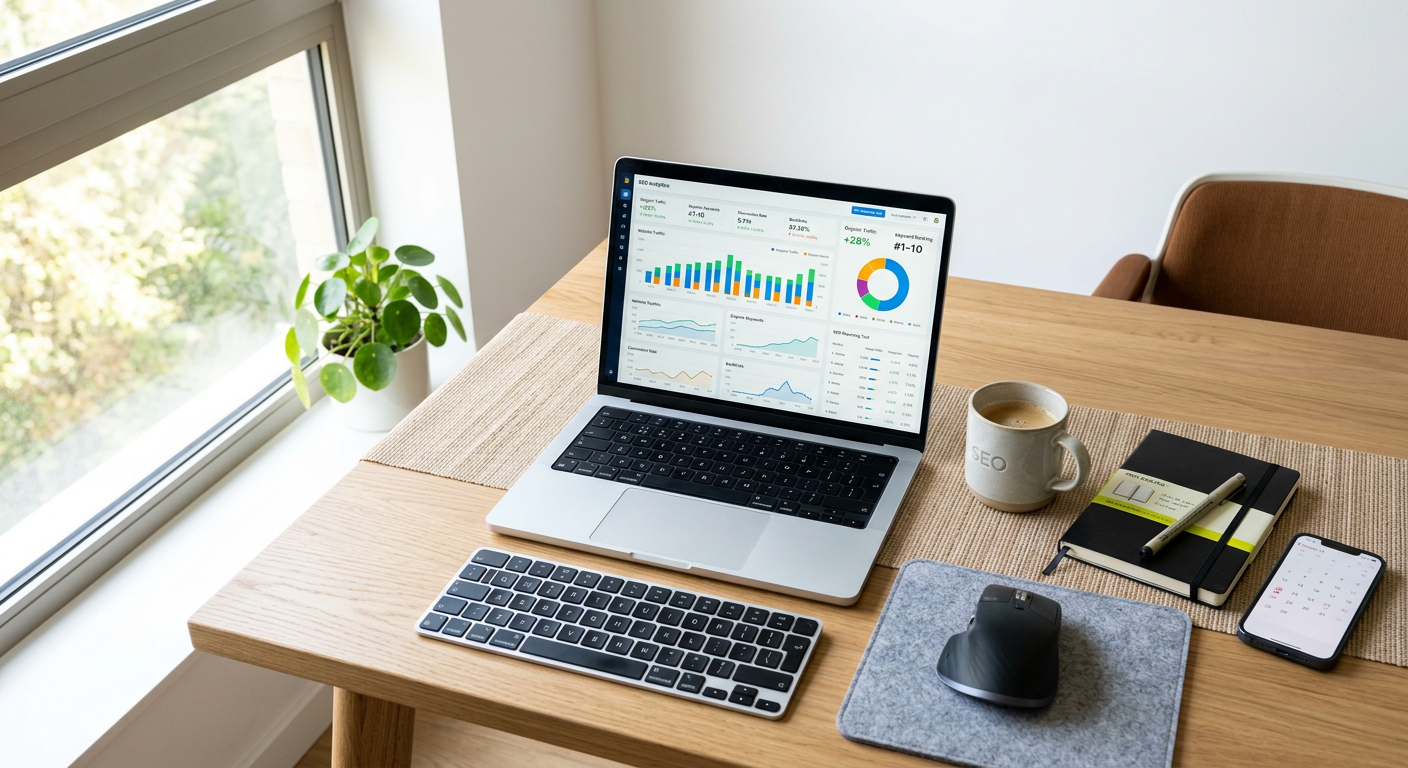
Trying to make sense of your website performance can feel like staring at a bowl of alphabet soup. You know the ingredients are there, but the letters just don't spell anything coherent. That is where professional-grade seo analysis tools come into play. They act as a high-powered lens, turning fuzzy data into a crisp, actionable roadmap for your digital growth. If you are serious about ranking higher, you need to stop guessing and start measuring.
Quick Summary {#quick-summary}
Evaluating websites using SEO analysis tools involves auditing technical health, content quality, and backlink authority to identify growth opportunities. By tracking key metrics, you can refine your strategy and improve search visibility.
- Audit site architecture for crawlability.
- Monitor keyword rankings against competitors.
- Optimize on-page elements for user intent.
- Track backlink health regularly.
Table of Contents {#table-of-contents}
- Evaluating Websites With SEO Analysis Tools
- Choosing the Best SEO Analysis Tools
- Interpreting Your SEO Score Checker Data
- Implementing Improvements From SEO Audit Tools

Evaluating Websites With SEO Analysis Tools {#evaluating-websites-with-seo-analysis-tools}
Most people dive into SEO with a lot of enthusiasm but very little direction. It is like trying to fix a leaky pipe with a hammer. You might make noise, but you are not solving the problem. Using reliable website optimization resources allows you to see exactly what is broken under the hood.
Think of a website audit as a physical for your domain. Just as a doctor checks your heart rate and blood pressure, these tools check your page load speed, mobile responsiveness, and metadata. Honestly, I believe most people ignore the technical basics, which is a massive mistake. If Google’s crawlers cannot navigate your site, nothing else matters.
Analyzing Technical Site Performance
Technical SEO is the foundation of everything. If your code is bloated or your server is slow, you are fighting a losing battle. Use audit tools to check for broken links and crawl errors. Have you ever wondered why your competitor ranks higher despite having less content? Usually, it comes down to a cleaner, faster technical structure.
Choosing the Best SEO Analysis Tools {#choosing-the-best-seo-analysis-tools}
The market is flooded with options. Some are free, some cost a small fortune, and many are just plain confusing. When hunting for the best seo analysis tools, focus on what you actually need to accomplish. Are you trying to track rankings? Or are you focused on finding technical glitches?
- Look for platforms that offer clear reporting.
- Ensure they integrate well with other marketing software.
- Check if the tool provides historical data to track your progress.
If you find yourself overwhelmed, check out the general guidance on our site to better understand how to select digital assets. Remember, the tool is only as good as the person using it. You don't need the most expensive suite; you need the one you will actually open every week.
Selecting Tools Based on Business Goals
Not every business needs an enterprise-level platform. If you are running a local blog, a lightweight checker might be enough. If you are managing a massive e-commerce site, you need something that can handle thousands of URLs without crashing. Don't fall for marketing hype. Pick a tool that solves your specific bottlenecks.
Interpreting Your SEO Score Checker Data {#interpreting-your-seo-score-checker-data}
So, you ran the report. Now what? Most dashboards provide an "SEO score" to give you a quick health check. Sounds simple, right? Here is a hot take: don't obsess over the score itself. It is a vanity metric unless you know what sits behind it. If your score is 60, is it because of slow images or because of bad meta descriptions?
Focus on the red flags. If a tool tells you that your H1 tags are missing or your images lack alt text, fix those first. They are the low-hanging fruit of the SEO world. You can read more about maintaining site integrity while you navigate these technical adjustments.
Turning Metrics Into Actionable Steps
Data without action is just noise. Every time you run an analysis, pull out three actionable tasks. Maybe you need to compress three images that are dragging down your speed. Perhaps you need to rewrite a title tag that isn't pulling clicks. Keep a simple spreadsheet if you have to. Just do not let the data sit there gathering digital dust.
Implementing Improvements From SEO Audit Tools {#implementing-improvements-from-seo-audit-tools}
Once you have your list, start small. The biggest mistake people make is trying to fix everything at once. You will get frustrated, you will get tired, and you will eventually give up. Pick one area—like page speed—and master it before moving on to link building or content clusters.
Establishing a Consistent Optimization Schedule
SEO is a marathon, not a sprint. You shouldn't just check your site once and walk away for a year. Make it a habit. Maybe every Friday, you spend thirty minutes reviewing the latest report. It might feel repetitive, but that consistency is exactly what separates winners from losers in the search results. Why rush? Slow, steady progress always beats a frantic, one-time overhaul.