How to Optimize Content for Better SEO Rankings
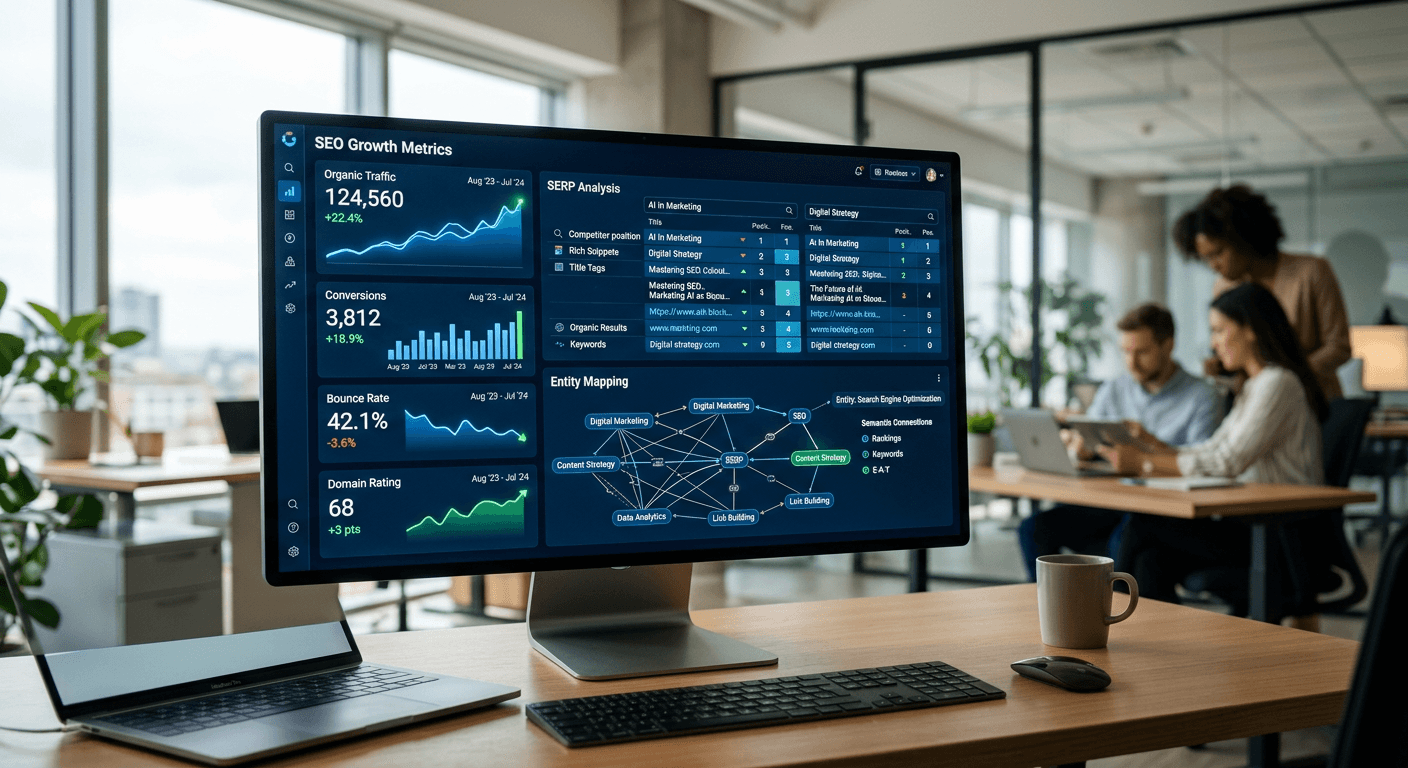
Optimizing digital assets requires a strategic approach to seo ranking factors, blending technical precision with high-quality content creation. To dominate search engine results pages, you must move beyond simple keyword stuffing and embrace a holistic strategy that focuses on user intent, search engine crawlers, and the semantic relationships between concepts.
Quick Summary {#quick-summary}
Content optimization is the deliberate process of refining web pages to improve their visibility and relevance for specific search queries. By leveraging semantic structures and technical best practices, creators can signal authority to search algorithms.
- Align content with user search intent.
- Leverage entity SEO to establish topical authority.
- Ensure technical elements support indexability.
- Optimize visual assets for performance and discovery.
Table of Contents {#table-of-contents}
- Quick Summary
- Leveraging Entity SEO for Topical Authority
- Implementing Advanced SEO Techniques
- Optimizing Visual Assets and SEO and Images
- Utilizing Modern SEO Content Optimization Tools
- Common Pitfalls and Troubleshooting
- FAQ
- Recommended Reads

Leveraging Entity SEO for Topical Authority {#leveraging-entity-seo-for-topical-authority}
Entity SEO marks a shift from focusing strictly on keywords to focusing on real-world entities - people, places, things, and concepts - that search engines recognize and categorize. Instead of just writing about "how to bake," you should encompass entities like "baking temperature," "leavening agents," and "culinary science." This creates a knowledge graph around your content, helping Google understand that your site is a comprehensive source of information on the subject.
To build this authority, you must structure your content to reflect the interconnected nature of your topic. This involves using descriptive headers, linking to authoritative sources, and ensuring your content covers sub-topics that experts in the field would expect to find. By establishing these connections, you improve your standing regarding seo ranking factors, as search engines prioritize sites that demonstrate depth, breadth, and clarity. You can learn more about managing your content strategy at the main resources page.
Implementing Advanced SEO Techniques {#implementing-advanced-seo-techniques}
Successful optimization requires a combination of on-page elements and off-page signals. Start by auditing your internal link structure to ensure that your most important pages are receiving adequate link equity. Internal linking is not just about navigation; it is a way to pass authority from high-performing pages to newer ones, effectively surfacing your most relevant content to both users and crawlers.
Beyond internal structures, you must focus on E-E-A-T (Experience, Expertise, Authoritativeness, and Trustworthiness). Search engines are increasingly sophisticated in their ability to verify whether a piece of content was written by an expert or a low-quality generative source. Use clear, original research, cite primary sources, and avoid the generic fluff that characterizes poor-quality web content. These seo techniques ensure your site survives algorithm updates that penalize thin or redundant material.
Optimizing Visual Assets and SEO and Images {#optimizing-visual-assets-and-seo-and-images}
Many site owners treat imagery as an afterthought, but seo and images are deeply connected in modern search. Search engines cannot "see" an image the way humans do; they rely on alt-text, file names, and surrounding context. Properly optimized images contribute to Core Web Vitals, specifically Largest Contentful Paint (LCP), which is a significant ranking factor.
Always use descriptive file names (e.g., "sourdough-starter-process.jpg" instead of "IMG001.jpg") and descriptive, accurate alt-text. Beyond accessibility, this metadata helps search engines index your images for visual search results, providing an additional traffic channel. Ensure your images are compressed to the smallest possible file size without sacrificing quality to keep page load speeds low, a critical requirement for user retention and engine indexing. Reviewing your privacy policies can also ensure your site remains compliant with technical standards for user safety.
Utilizing Modern SEO Content Optimization Tools {#utilizing-modern-seo-content-optimization-tools}
Using seo content optimization tools allows you to move beyond guesswork and rely on data-driven insights. These tools analyze the top-ranking pages for your target keywords and identify content gaps, suggesting missing sub-topics or entities that your competitors are mentioning but you are not. This competitive analysis is invaluable for scaling your production process.
However, do not fall into the trap of over-optimizing for the tool itself. While software can provide excellent guidance, the human element of readability and unique perspective is what converts traffic into engagement. Use these platforms to refine your H1/H2 structure and meta-descriptions, then allow your own brand voice to fill in the substance of the article. For further information on managing your digital footprint, check the terms of service overview.
Common Pitfalls and Troubleshooting {#common-pitfalls-and-troubleshooting}
- Keyword Stuffing: Including the target phrase too many times makes text difficult to read and triggers spam filters. Aim for natural placement.
- Thin Content: Pages with fewer than 500 words often fail to provide enough value for ranking. If you have nothing new to say, avoid creating a dedicated page.
- Ignoring User Intent: If your page provides a listicle but the user wants a technical guide, you will lose the visitor immediately, increasing your bounce rate.
- Broken Redirects: Ensure your URL structure remains stable. Frequent changes without proper 301 redirects confuse search engine bots and destroy existing rankings.
Pro Tip: Prioritize the "above the fold" content on your site. Ensure the most important entity-relevant keywords and the primary answer to the search query appear in the first two paragraphs to maximize your chance of being selected for a featured snippet.
FAQ {#faq}
- How long does it take for SEO changes to show results? Generally, organic search rankings take between 3 to 6 months to stabilize after major optimizations, depending on competition levels.
- Is meta description length still important for ranking? While not a direct ranking factor, meta descriptions influence click-through rates. Keep them between 150-160 characters to avoid truncation.
- How often should I update old content? Review your high-traffic pages every 6 to 12 months to ensure facts remain accurate and links are still functional.
- Do social media signals affect SEO? Social media is not a direct ranking factor, but it drives traffic and increases content visibility, which leads to more backlink opportunities.