How to Track Keyword Ranking Performance
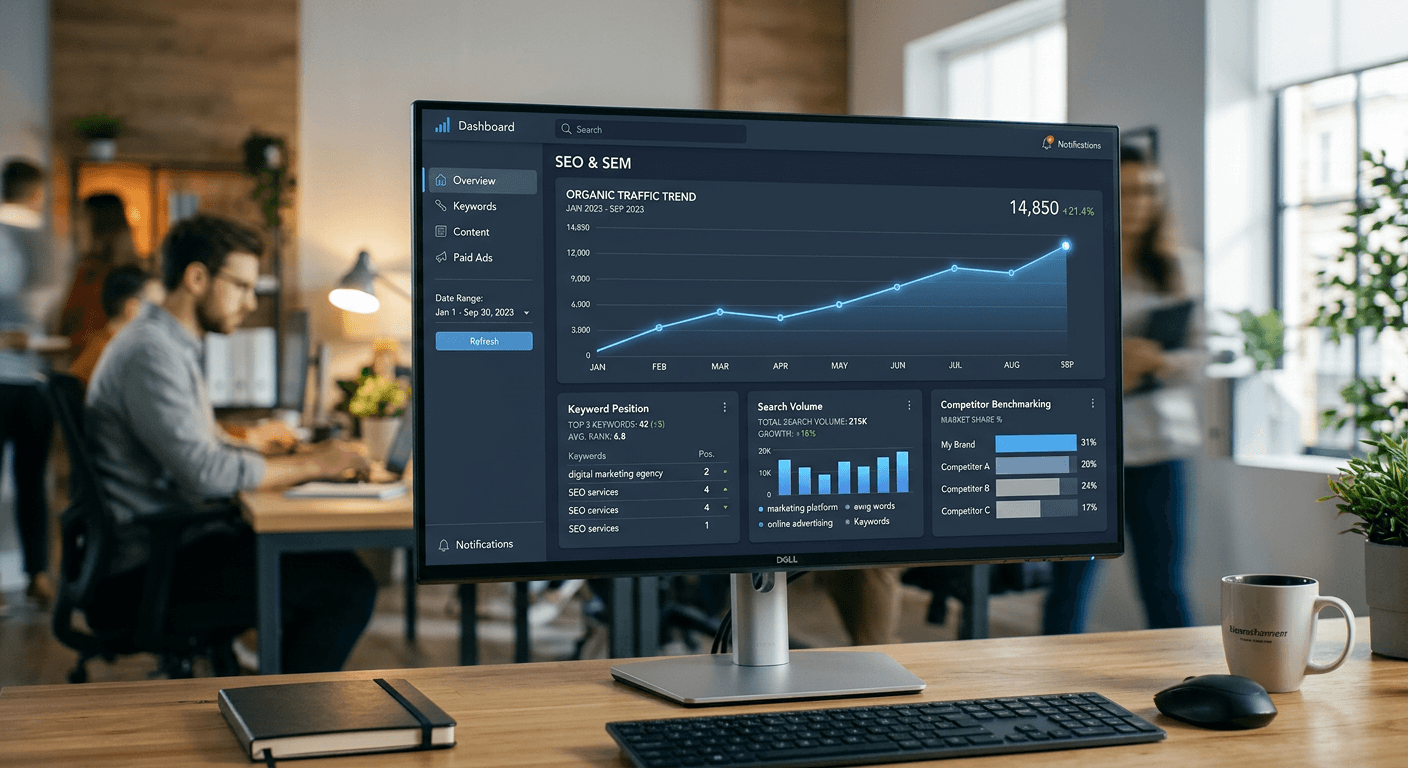
Mastering the process of tracking keyword search ranking performance is a non-negotiable requirement for any serious digital marketing strategy. Understanding exactly how your web pages perform across various search engines allows you to move beyond gut feelings and shift toward data-driven decision-making. By leveraging a professional seo ranking tool google search results can be parsed to uncover granular insights, ensuring your content optimization efforts yield a high return on investment.
Quick Summary {#quick-summary}
Tracking keyword search ranking involves using specialized software to monitor the position of specific URLs in search engine results pages (SERPs) over time. This process helps identify successful content strategies, detect algorithm fluctuations, and pinpoint opportunities for ranking improvements.
- Continuous monitoring of SERP positions.
- Competitive benchmarking against industry rivals.
- Identification of high-value search intent shifts.
- Assessment of organic traffic growth correlations.
Table of Contents {#table-of-contents}
- Quick Summary
- Establishing Your SEO Tracking Foundation
- Selecting the Right Keyword Ranking Tools
- Step-by-Step Configuration of Monitoring
- Analyzing Performance Metrics and Data
- Common Pitfalls and Troubleshooting
- Frequently Asked Questions
- Recommended Reads

Establishing Your SEO Tracking Foundation {#establishing-your-seo-tracking-foundation}
Before deploying a search engine ranking monitor, you must define the scope of your tracking campaign. Not every keyword is created equal, and attempting to track thousands of low-intent, long-tail terms will only lead to data fatigue. Start by identifying the primary keywords that directly correlate with your business objectives—specifically those that demonstrate transactional or commercial intent.
Once your primary list is established, segment them by category: brand terms, product-specific keywords, and broad industry-related topics. This segmentation ensures that when you review your seo keyword ranking reports, you can isolate performance variables. For instance, a drop in brand-related traffic requires a different tactical response than a decline in broader industry topic rankings. You can find more foundational information regarding site data management at https://rapidwombat.us.com.
Selecting the Right Keyword Ranking Tools {#selecting-the-right-keyword-ranking-tools}
The market for rank tracking software is vast, yet your choice should be dictated by the depth of data you require. A reliable platform should offer more than just a position number; it should provide search volume metrics, historical data trends, and visibility score indices. When evaluating a potential solution, prioritize tools that offer location-specific tracking if your business serves a geographic region, as local SERPs often diverge significantly from national results.
Integration capabilities are equally critical. You should ensure your chosen tool can sync with Google Search Console and analytics platforms to correlate ranking shifts with organic traffic fluctuations. For organizations concerned about data handling and privacy compliance during this integration process, reviewing documentation like https://rapidwombat.us.com/privacy provides necessary insight into operational transparency and professional standards.
Step-by-Step Configuration of Monitoring {#step-by-step-configuration-of-monitoring}
- Define Your Target Audience and Region: Configure your tracking tool to query Google servers from the specific countries or regions where your customers reside. SERPs are highly personalized by location.
- Import Your Seed Keywords: Upload your curated list of terms. Group them into 'folders' or 'tags' that mirror your website's architecture or marketing funnels.
- Set Up Competitor Tracking: Add at least three direct competitors for every tracked keyword. This provides a baseline against which you can measure your own performance volatility.
- Automate Reporting: Schedule weekly or monthly snapshots. Automated reports prevent the "data trap" of checking ranks daily, which can lead to reactive rather than strategic decision-making.
Pro Tip: Focus on SERP features. Ensure your tracker monitors whether you hold a Featured Snippet, People Also Ask position, or Knowledge Panel result, as these occupy more screen real estate than standard organic links.
Analyzing Performance Metrics and Data {#analyzing-performance-metrics-and-data}
When reviewing data from an seo ranking tool google search behavior must be viewed through the lens of long-term trends rather than daily spikes. A sudden dip in ranking is often a temporary glitch caused by algorithm testing or personalization factors in the user's browser. Look for sustained downward trends across a cluster of related keywords, which usually indicates an underlying content quality issue or a technical SEO deficiency.
Cross-reference your ranking data with organic traffic data. If your keyword search ranking improves but organic sessions decrease, the intent of your content may not be matching the search intent of the user. This is a common indicator that while you have achieved visibility, the meta title and description are not compelling enough to drive clicks, or the landing page does not fulfill the user's query effectively. You can review additional professional guidelines regarding site optimization at https://rapidwombat.us.com/terms.
Common Pitfalls and Troubleshooting {#common-pitfalls-and-troubleshooting}
One of the most frequent mistakes is "vanity tracking" - prioritizing terms with high search volume but zero conversion potential. High-volume, non-converting keywords provide a dopamine hit but fail to impact your bottom line. Always prioritize keywords that sit at the intersection of high search intent and your specific business offering.
Another pitfall is ignoring technical site performance. If you notice a site-wide decline in rankings, the issue is rarely limited to content; it is often structural. Check your site’s crawlability, page load speed, and core web vitals. If these metrics are poor, even the most optimized content will struggle to maintain its position in the SERPs.
Frequently Asked Questions {#frequently-faq}
How often should I check my keyword rankings? Weekly is generally sufficient for most businesses. Daily tracking can lead to over-analysis of noise, while monthly tracking may cause you to miss significant trends or algorithm shifts.
Why do my rankings look different on my own computer? Rankings are personalized based on your search history, location, and device. Use a rank tracker to see "neutral" rankings that simulate the experience of a new user.
What is a good ranking? Ranking in the top three results provides the most organic traffic. Anything on the first page is considered good, while second-page rankings are opportunities for optimization.
Do paid ads affect organic search rankings? Technically, no. Paid search campaigns do not directly improve your organic rank, though they can increase brand awareness, which may indirectly influence click-through rates over time.