Top 7 SEO Ranking Tools Compared
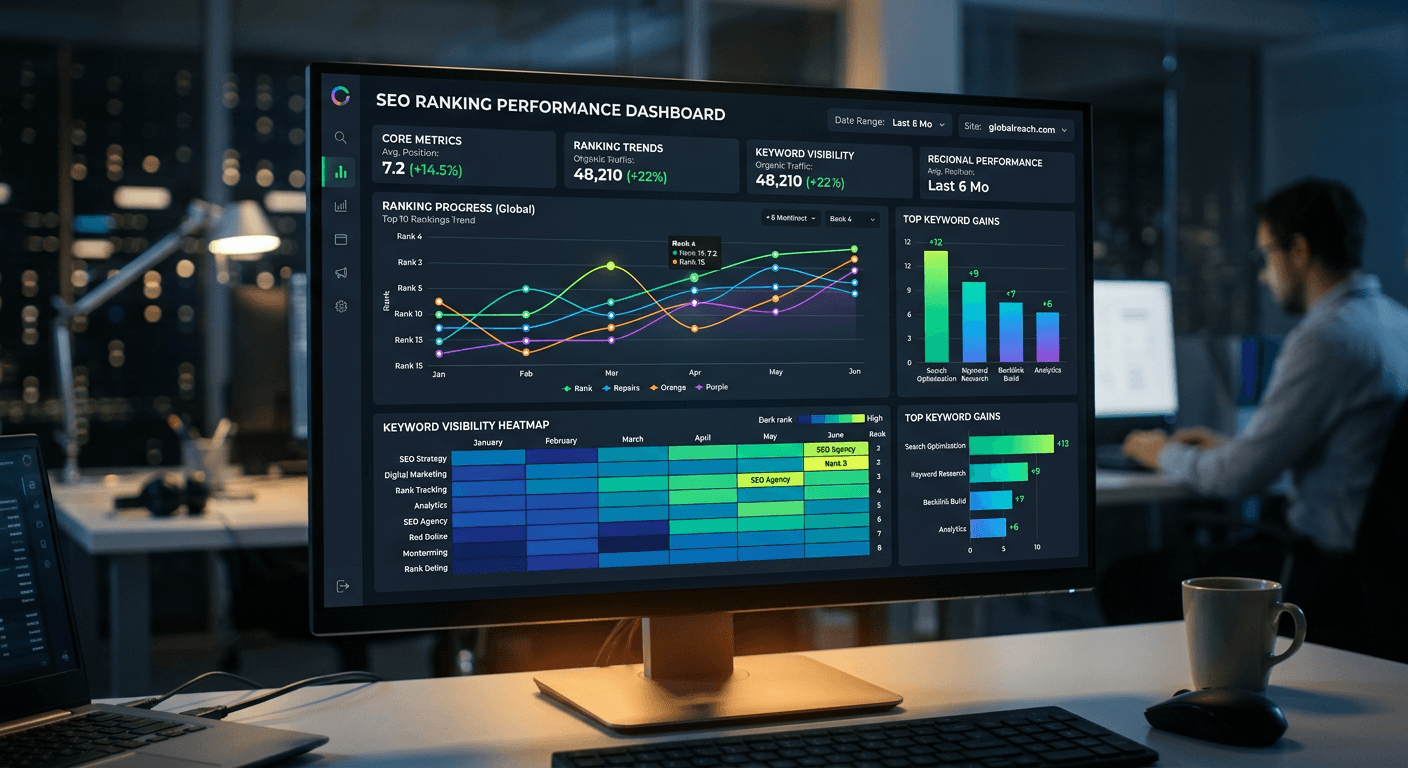
Selecting a reliable google search ranking tool is a critical decision for any digital strategy, as it provides the granular data required to validate your content performance and outmaneuver competitors. When tracking your website seo search results, you need more than just vanity metrics; you require accurate, localized data that reflects the actual user experience in search engines. By monitoring fluctuations in SERPs, professionals can diagnose technical issues and refine their keyword targeting to ensure sustained organic growth.
Quick Summary {#quick-summary}
A Google search ranking tool is a specialized software solution designed to monitor, track, and report the position of specific web pages for designated keywords across search engines. These platforms provide historical data, competitor intelligence, and SERP feature tracking to help SEO professionals optimize their search visibility and organic performance.
- Automated rank tracking across different geographic regions and devices.
- Competitor benchmarking for content gap analysis and keyword discovery.
- Integration with analytics suites to correlate rankings with organic traffic.
- Alert systems for sudden drops or shifts in search engine visibility.
Table of Contents {#table-of-contents}
- Comparison Table
- Enterprise-Grade All-in-One Suites
- Niche Rank-Tracking Specialists
- Budget-Friendly Small Business Solutions
- The Role of Data Accuracy in SEO
- Buying Guide - How to Choose a Ranking Tool
- Recommended Reads

Comparison Table {#comparison-table}
| Feature | Enterprise Suites | Niche Specialists | Budget Tools |
|---|---|---|---|
| Accuracy | High | Extreme | Moderate |
| Data Depth | Extensive | Focused | Basic |
| Pricing | High | Mid-Range | Low |
| Target Audience | Agencies/Large Corps | SEO Consultants | Small Business/DIY |
Enterprise-Grade All-in-One Suites {#enterprise-grade-all-in-one-suites}
These platforms serve as the backbone for large-scale marketing teams. They offer deep-dive analytics, technical audits, and massive keyword databases that allow for holistic site management. Because these tools integrate with the google search api pricing models and internal database structures, they provide stable, enterprise-scale monitoring that individual tools cannot match.
These tools are best for users who require comprehensive site health metrics alongside rank tracking. While they represent a significant financial investment, their ability to aggregate data from multiple sources makes them indispensable for reporting on complex multi-domain infrastructures. You can find more information about platform security and data handling at rapidwombat.us.com.
Pros and Cons
- Pros: Includes backlink analysis, site crawling, and content optimization modules.
- Pros: Highly scalable for thousands of keywords.
- Cons: High learning curve for beginners.
- Cons: Expensive subscription tiers.
Niche Rank-Tracking Specialists {#niche-rank-tracking-specialists}
Niche tools focus exclusively on the mechanics of ranking. They often provide more frequent updates - sometimes multiple times a day - which is essential for volatile markets. Unlike broader suites that treat ranking as one of twenty features, these platforms invest their resources into perfecting the nuances of SERP feature detection, such as featured snippets and local map packs.
These are ideal for SEO specialists who already have a preferred crawl-based tool and just need a high-fidelity engine to manage their core keyword portfolio. Their interface is typically cleaner, focusing purely on trend lines and historical performance charts that help in identifying seasonal shifts in search volume.
Pros and Cons
- Pros: Unmatched frequency of rank updates.
- Pros: Advanced local search tracking (city/zip level).
- Cons: Lacks deep site-wide technical auditing capabilities.
- Cons: Can feel restricted if you require a singular workspace for all SEO tasks.
Budget-Friendly Small Business Solutions {#budget-friendly-small-business-solutions}
For solo entrepreneurs and small websites, complexity is often a barrier to entry. Budget-focused tools prioritize usability, offering automated reporting and simplified dashboards that allow for immediate interpretation of ranking data. They focus on the core requirement: knowing exactly where your pages stand without the bloat of enterprise-level functionality.
These solutions are designed to be intuitive. They avoid the technical jargon of website seo search analytics, opting instead for clear, actionable insights like "what to optimize next" or "new keywords to target." While they might not offer daily API-level accuracy, they provide sufficient data for informed decision-making at a fraction of the cost of industry giants.
Pros and Cons
- Pros: Exceptionally easy to navigate and set up.
- Pros: Cost-effective for low-volume keyword tracking.
- Cons: Limited historical data storage.
- Cons: Update frequency is usually weekly rather than daily.
The Role of Data Accuracy in SEO {#the-role-of-data-accuracy-in-seo}
Understanding how a google search ranking check is performed is vital. Not all rank trackers use the same data acquisition methods. Some scrape search results directly, while others utilize structured data sources. If your industry is highly competitive, even a minor discrepancy in tracking can lead to misguided tactical changes. Professionals often evaluate tools by comparing their output against actual "incognito" searches performed from specific regions to verify accuracy.
Beyond basic positioning, sophisticated tools now account for personalization. Because Google often tailors results based on the user's search history or location, the most advanced trackers mimic a clean-slate search environment. This level of precision ensures that you are tracking objective performance rather than personalized biases that distort your reporting.
Buying Guide - How to Choose a Ranking Tool {#buying-guide-how-to-choose-a-ranking-tool}
When choosing your platform, start by defining your primary objective. Are you managing a single site, or do you have a client list that spans dozens of domains? Scalability is the most important factor in your decision. If you expect your keyword list to double within the next year, ensure your chosen tool has pricing tiers that don't become prohibitive as you grow.
Consider the "depth" of the data provided. Do you need to track mobile vs. desktop rankings separately? Is tracking SERP features (like "People Also Ask" boxes) critical to your content strategy? Always verify whether the tool supports your target geographic locations, as some international tracking services are limited to specific regions or languages.